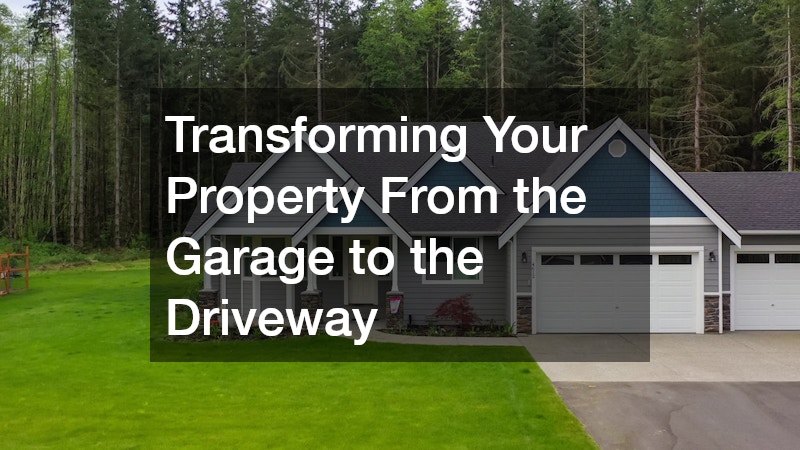
When it comes to home improvement, property owners often dedicate their energy to interior remodeling, focusing heavily on kitchens and bathrooms. While interior updates certainly improve daily living, the true character and initial narrative of a home are established well before anyone steps through the front door. The exterior approach, specifically the transitional space spanning from the garage interior to the edge of the driveway, dictates how a property feels, functions, and holds its market value. A thoughtful renovation of this zone does more than just fix cracked surfaces; it redefines the flow of your home, enhances daily utility, and establishes a sense of pride every time you pull into your property.
Taking a holistic approach to renewing this space requires moving beyond quick fixes and looking at the structural, aesthetic, and functional elements as a cohesive system. The connection between the place where you park your vehicle and the surrounding pathways is a high-traffic area that endures immense physical stress, severe weather conditions, and constant visibility. By planning a comprehensive upgrade, you can convert an underutilized or weathered exterior into a striking, seamless entry sequence that complements your home’s architecture and lifestyle needs.
1. Assessing the Current State of Your Exterior Layout

Before breaking ground or ordering any raw materials, a successful property transformation begins with a thorough evaluation of the existing space. Over time, garages tend to become a catchment zone for discarded tools, half-empty paint cans, forgotten sports gear, and general household overflow. This accumulation of clutter does more than just restrict your parking options; it hides structural deficiencies, prevents proper inspection of foundation walls, and blocks necessary access points for future renovation work. Taking control of this area requires a systematic clearing process where every item is sorted, evaluated, and either organized or removed entirely.
For properties that have accumulated years of heavy debris, old appliances, or massive structural waste, standard residential waste bins are rarely sufficient. In these scenarios, utilizing a professional garage cleanout service is the most effective way to establish a blank canvas. These specialized teams can quickly eliminate heavy obstacles, clear out safety hazards, and ensure that hazardous materials are disposed of in accordance with local environmental regulations. Once the floor is completely exposed, you gain the clarity needed to inspect the concrete slab for deep fissures, moisture penetration, or shifting, which serves as the foundational first step for all subsequent exterior enhancements.
2. Upgrading the Internal Workspace and Flooring Foundations
With the interior clear of debris, attention can turn toward transforming the raw, unprotected concrete surface inside the garage. Standard concrete is inherently porous, meaning it easily absorbs automotive fluids, road salts, oils, and chemical spills, leading to unsightly deep stains and accelerated surface degradation. Upgrading this floor is not merely a cosmetic choice; it creates a protective barrier that seals the substrate against moisture penetration and chemical erosion while making regular cleanup completely effortless.
One of the most durable and visually striking choices for upgrading this zone is the application of a commercial-grade epoxy floor coating system. Unlike basic floor paints that peel under the heat of vehicle tires, a properly installed multi-layer epoxy or polyaspartic system chemically bonds with the prepared concrete substrate. This creates a resilient, non-porous finish that resists impact, prevents dusting, and provides an immaculate surface that can double as a clean workshop, home gym, or organized storage facility. Achieving this level of longevity requires careful surface profiling, crack bridging, and moisture testing to ensure the coating never separates from the underlying foundation.
3. Addressing Structural Substructures and Base Preparations
As you move outward from the interior garage threshold, the physical connection between the internal slab and the exterior driveway becomes the primary focus. This transition zone is highly susceptible to shifting, cracking, and water infiltration due to the immense weight of vehicles moving over it daily. If the ground underneath has settled unevenly or if original grading was flawed, water can pool at the entrance, causing significant structural damage to both the garage foundation and the external pavement over time.
To resolve these structural alignment issues and ensure a flush, durable transition, it is wise to partner with a skilled local concrete contractor who understands regional soil conditions and frost line depths. A professional can evaluate whether your existing perimeter aprons or structural borders need to be excavated, re-engineered with steel reinforcement rebar, or completely replaced. Properly pouring these concrete elements ensures that heavy loads are distributed evenly across the subgrade and that water is directed safely away from the home’s main structure, preserving the integrity of both your indoor and outdoor investments.
4. Coordinating Material Sourcing for Longevity

When executing structural hardscaping updates around your driveway borders, sidewalks, or retaining walls, the quality of the materials used is just as critical as the skill of the installers. Concrete mixes must be precisely engineered based on their intended use, taking into account required compressive strength, air entrainment for freeze-thaw durability, and optimal curing characteristics. Relying on inconsistent hand-mixed bags for large-scale structural projects often results in weak points, color variations, and premature surface scaling.
For a seamless and structurally sound installation, arranging for a precise concrete delivery from a commercial mixing plant ensures absolute uniformity throughout the entire pour. This professional approach guarantees that the batch arrives with the exact water-to-cement ratio needed for maximum load-bearing capacity and longevity. Furthermore, it allows the installation crew to pour and finish large sections continuously, eliminating weak cold joints and producing a beautiful, monolithic surface that withstands heavy vehicular traffic and changing seasonal temperatures for decades to come.
5. Designing an Efficient Architectural Flow for Vehicles
A driveway should never be viewed as just a functional slab of asphalt or concrete; it is a fundamental architectural element that dictates the flow of your entire property. When planning a complete renewal, consider how the width, curvature, and length of the entryway impact everyday usability. A poorly designed layout can result in tight turning radiuses, vehicles parking on lawns, or difficult blind spots when backing out onto busy residential streets.
Collaborating with an experienced driveway contractor allows you to design a custom layout that optimizes the spatial dynamics of your specific lot. Whether your property benefits from a wide turnaround apron, a sweeping curved approach, or a traditional straight lane, a professional designer can help balance functional vehicle staging with beautiful aesthetic margins. They will also ensure that the foundational sub-base is excavated to the appropriate depth and packed with crushed aggregate, which is vital for preventing future rutting, sinking, and structural failure under load.
6. Navigating Asphalt Installation Specifications
If you choose asphalt for your main driveway surface, understanding the technical standards of the installation process is key to achieving a smooth, resilient finish. High-quality asphalt paving relies heavily on the temperature of the material during placement, the thickness of the compacted layers, and the precision of the heavy rolling equipment. Shortcuts taken during any of these critical stages will drastically shorten the lifespan of the pavement, leading to early pothole formation and widespread spiderweb cracking.
Securing a qualified asphalt paving contractor ensures that your project is executed using proper commercial methodologies and industrial machinery. A reputable professional will ensure that the hot-mix asphalt is applied at optimal thermal windows, typically between three hundred and three hundred and fifty degrees Fahrenheit, allowing for maximum compaction and density. They will also pay meticulous attention to creating clean, tight transitions where the new asphalt meets the existing municipal roadway and your garage apron, preventing water from exploiting weak seams.
7. Evaluating Crew Professionalism and Vetting Standards
With numerous businesses offering paving and masonry work, property owners must be diligent when selecting the team responsible for executing their exterior transformation. Entrusting your property to unverified or under-equipped workers often leads to delayed project timelines, property damage, or low-grade finishes that require costly remediation within just a few years. Vetting your service providers thoroughly is the best defense against substandard construction practices.
When searching for the right partner, it is important to choose an established, fully licensed, and adequately insured paving company with a verified track record of successful residential installations in your immediate area. A professional enterprise will provide detailed, written estimates outlining material specifications, excavation depths, and warranty details. Furthermore, their crew members will operate with specialized, company-owned machinery rather than relying on inadequate rental equipment, ensuring that every stage of the excavation, grading, and paving process meets strict industry standards.
8. Managing Project Durations and Curing Schedules
A major source of anxiety for homeowners during an exterior renovation is the temporary disruption to daily routines, particularly regarding vehicle parking and property access. Because the driveway connects the garage directly to the street, coordination of the timeline is essential for minimizing inconvenience while protecting the newly installed surfaces during their most vulnerable phases. Freshly laid materials require uncompromised time to stabilize chemically and structurally before they can support heavy loads.
Working closely with professional asphalt driveway contractors allows you to establish a clear, predictable timeline for excavation, grading, and final paving. Experienced teams can often complete the physical installation of a standard residential driveway within a matter of days, keeping your property’s downtime to a minimum. However, they will also provide vital guidance on crucial curing windows, explaining exactly how many days the new surface must remain free of vehicular traffic to prevent structural tire tracking and surface scarring while the asphalt oils properly cure and harden.
9. Enhancing Surface Protection and Long-Term Integrity
Once your new driveway is fully installed and cured, implementing a proactive maintenance strategy is essential for protecting your investment from environmental degradation. Asphalt is highly susceptible to oxidation from ultraviolet solar rays, which breaks down the binding oils and turn the rich black surface into a brittle, gray finish. Additionally, winter moisture can seep into microscopic surface pores, expanding during freezing conditions and causing the pavement to crack and crumble prematurely.
Enlisting a premium residential paving service for ongoing preventative care, such as professional sealcoating and crack sealing, can easily double the operational lifespan of your driveway. Applying a high-solids polymer-modified sealer every three to five years creates an impermeable shield that blocks out moisture, resists oil and gasoline stains, and restores that deep, luxurious black finish. This simple, recurring maintenance step ensures that the entry sequence to your home remains pristine, smooth, and structurally sound for the long haul.
10. Framing the Entire Transformation with Natural Borders

The final phase of a truly comprehensive property transformation involves softening the transition between the hard structural elements of your new driveway and the rest of your estate. Left unadorned, large expanses of new paving and concrete can sometimes look cold or industrial against a residential home. Integrating organic elements along the margins bridges the gap between masonry work and architecture, creating a balanced, harmonious look.
Partnering with a creative local landscaping contractor allows you to design custom garden beds, low-maintenance turf borders, or elegant stone retaining features that frame your new driveway beautifully. Strategically placed ornamental grasses, perennial shrubs, and integrated low-voltage lighting fixtures can guide visitors naturally toward your entryway while accentuating the clean lines of your new pavement. Proper landscaping also plays a crucial role in erosion control, ensuring that soil and mulch do not wash over your beautiful new driveway during heavy downpours.
Transforming your property from the interior of the garage to the foot of the driveway is a powerful way to renew your home’s exterior aesthetic while dramatically increasing its functional capacity. By systematically addressing each phase of the process, from initial clutter removal and structural floor coatings to robust foundation work, precision paving, and intentional landscaping borders, you create a cohesive and welcoming arrival experience.
This macro-approach to property improvement rewards you with a seamless blend of durability and beauty that elevates daily living. Investing in high-quality materials and professional execution ensures that your home’s first impression remains flawless and structurally sound for decades to come, providing enduring value and pride of ownership.