
Modern home improvement has evolved past superficial, cosmetic upgrades. While quartz countertops and fresh paint offer instant visual appeal, they do very little to lower your monthly utility bills or make a drafty room comfortable during a freezing winter or a scorching summer. Today, the smartest investments focus on performance. A high-performance home functions as a cohesive system, managing heat transfer, air quality, fluid mechanics, and structural durability to maximize comfort while minimizing energy consumption.
Optimizing the Thermal Envelope and Natural Light Control

The thermal envelope is the physical barrier that separates the conditioned air inside your home from the unconditioned outdoor environment. Windows and glass doors represent the most significant weak points in this envelope. Through radiation, conduction, and convection, untreated glass allows outdoor temperatures to dictate your indoor climate, forcing your heating and cooling systems into a state of perpetual overdrive.
Advanced Glazing and Solar Control Strategies
During peak summer months, solar radiation streams through windows, creating a greenhouse effect inside your living spaces. To combat this without replacing perfectly good windows, window film technology offers an industrial-grade solution.
-
Analyze Solar Orientation: Focus your attention first on west- and east-facing windows, as they receive the most intense, low-angle solar heat gain throughout the day.
-
Evaluate Performance Metrics: When selecting a retrofit solar film, look closely at the Solar Heat Gain Coefficient (SHGC) and Visible Light Transmittance (VLT). An ideal film for hot climates lowers the SHGC significantly while maintaining a high enough VLT to let in beautiful, natural light.
-
Mitigate HVAC Strain: Applying residential window tinting to vulnerable glass panes can reject up to 79% of solar heat. This drastically reduces the ambient indoor temperature, smoothing out the peak cooling loads that typically spike your afternoon electricity bills.
-
Protect Material Assets: Beyond thermal comfort, high-quality film blocks 99% of harmful ultraviolet rays, preventing the fading and degradation of expensive hardwood floors, carpets, and artwork.
Precision Light and Privacy Management
While films handle radiant solar heat, window treatments provide an adjustable layer of insulation against conductive and convective heat transfer.
-
Deploy Cellular Shades: Also known as honeycomb shades, these window treatments feature built-in air pockets that act as a barrier, trapping air right at the window frame and stopping it from circulating into the room.
-
Integrate Smart Automation: The true efficiency of window coverings is unlocked when they are automated. Program your treatments to lower automatically when the sun is directly hitting a specific side of the house, and open them during winter days to harness passive solar heating.
-
Eliminate Gaps with Custom Fitting: Off-the-shelf options rarely fit perfectly, leaving perimeter gaps where air easily escapes. Utilizing professional window blind services ensures a millimeter-perfect fit, sealing the sides of the window opening and optimizing the window’s total insulating capacity.
Securing Structural Openings and Restoring Perimeter Integrity

Even if your walls are packed with premium insulation, your home cannot achieve true efficiency if it is constantly leaking conditioned air through its primary access points. Air infiltration is a silent comfort killer. It introduces moisture, drafts, and pollen into your home while allowing the air you pay to heat or cool to slip right out into the neighborhood.
Upgrading Main Entryways for Thermal Mass and Sealing
Exterior doors are opened and closed thousands of times a year, meaning they undergo immense mechanical stress while simultaneously facing harsh outdoor elements. Over time, wood warping and settling foundations ruin the factory seal of standard doors. Modern insulated doors combat this by surrounding a dense polyurethane foam core with fiberglass or steel cladding. This foam core stops conductive heat and cold transfer, while heavy-duty magnetic weatherstripping compresses against the threshold and jambs to create an airtight seal.
-
Prioritize Material Integrity: Replace old, hollow-core, or warped solid wood doors with modern fiberglass or steel-clad alternatives. These doors feature dense polyurethane foam cores that offer up to five times the insulating value of traditional wood.
-
Inspect the Threshold and Jambs: Ensure the new door frame features an adjustable sill and heavy-duty, multi-finned weatherstripping.
-
Invest in True Weather-Sealing: Installing properly insulated exterior doors creates an airtight seal that completely eliminates the cold drafts that pool along your floors during the winter months, stabilizing the temperature from room to room.
Addressing the Largest Moving Wall in Your House
The garage door is often overlooked because it encloses a non-living space. However, attached garages share significant wall space and ceiling space with the rest of your home. A freezing or boiling garage acts as a thermal battery, transferring its extreme temperatures directly into the adjacent kitchen, hallway, or upstairs bedrooms.
-
Select the Right R-Value: If your garage is attached or features a bedroom directly above it, look for a replacement door constructed with injected polyurethane insulation boasting an R-value of 12 or higher.
-
Maintain the Mechanical Components: A heavy, insulated door requires perfectly balanced tension to seal correctly against the ground. Worn-out components cause the door to sit crookedly, leaving large gaps at the bottom corners.
-
Schedule Professional Inspections: Prioritizing routine garage door repair to fix worn rollers, frayed cables, and snapped springs guarantees that the heavy panels glide smoothly into place, forming a compressed, tight seal against the perimeter weather stripping every time it closes.
Elevating Indoor Environmental Quality and Climate Control

As we seal our homes tighter to boost energy efficiency, we accidentally create a major side effect: we trap airborne pollutants inside. Without adequate air circulation, indoor spaces quickly accumulate pet dander, volatile organic compounds (VOCs) from furniture, mold spores, and carbon dioxide. Achieving home comfort requires a strict balance between tight insulation and advanced mechanical ventilation.
Comprehensive Air Purification and Humidity Management
To live comfortably, you must control both the purity and the moisture content of the air you breathe. High humidity makes warm air feel oppressive and promotes mold growth, while low humidity dries out mucous membranes and damages wooden furniture.
-
Upgrade HVAC Filtration: Swap out cheap fiberglass filters for pleated filters rated MERV 13 or higher. These filters are dense enough to capture microscopic particles, including viruses, bacteria, and smoke, without choking the airflow of your HVAC system.
-
Introduce Managed Ventilation: In highly airtight homes, install an Energy Recovery Ventilator (ERV). An ERV expels stale indoor air while drawing in fresh outdoor air, pre-conditioning the incoming stream so you do not lose energy in the process.
-
Deploy Whole-Home Purification Systems: Investing in active air scrubbing technology integrated directly into your ductwork ensures excellent indoor air quality across every single square foot of your living space, neutralizing odors and airborne pathogens instantly.
Maintaining Critical Mechanical and Pressure Dynamics
A home’s climate control setup relies heavily on pressure balances and fluid dynamics. If hidden mechanical pumps or drainage loops fail, condensation pools, lines clog, and system efficiency plummets.
-
Monitor Condensate Lines: High-efficiency furnaces and air conditioners produce gallons of wastewater daily through condensation. This water must be mechanically pumped away from the home’s interior to prevent localized flooding and severe mold growth.
-
Inspect Drainage and Vacuum Loops: Many modern high-end HVAC and specialized home drainage networks rely on negative pressure loops to pull moisture away from sensitive mechanical components.
-
Prevent Pressure Failures: Keeping an eye on your home’s specialized mechanical pumps and arranging immediate vacuum pump repairs when pressure drops ensures that moisture removal loops stay clear, protecting your expensive climate control machinery from short-circuiting or freezing up.
Safeguarding Power Continuity and Smart Automation
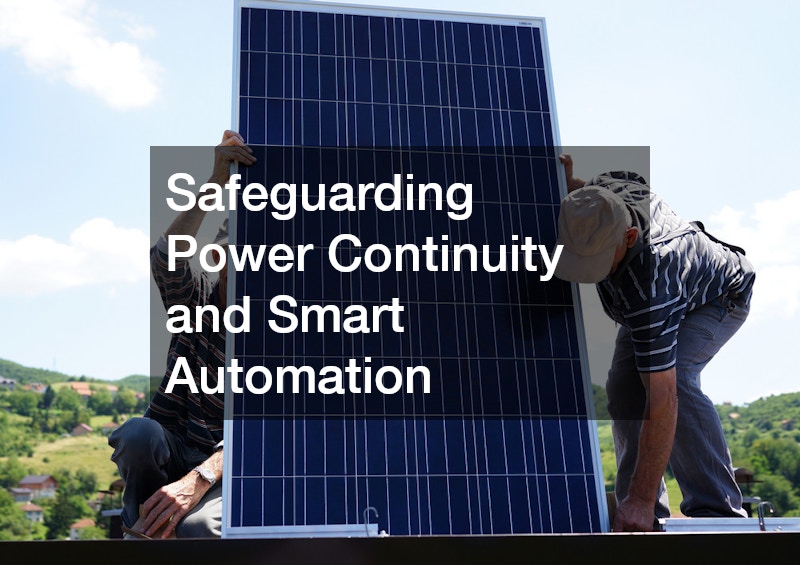
True home comfort means having complete peace of mind, knowing that your living environment remains functional and safe regardless of external disruptions. As climate patterns become more erratic and local electrical grids experience increased strain, power continuity has shifted from a luxury upgrade to an essential infrastructure investment.
Implementing Flawless Backup Power Infrastructure
A prolonged power outage does more than dim the lights. It turns off your heating or cooling systems, spoils thousands of dollars of food, disables sump pumps, and cuts off communication networks. In an ideal setup, utility power is constantly monitored by an automatic transfer switch. The moment the grid fails, the switch shifts the load, and a whole-house generator activates to restore electrical flow within seconds.
-
Calculate Electrical Load Requirements: Walk through your home and list your non-negotiable electrical loads. This includes the HVAC system, well pumps, refrigerators, medical equipment, and home office setups.
-
Choose the Fuel Source: Select a backup system that ties directly into your existing natural gas line or a subterranean propane tank. This removes the need to store, transport, and manually pour gasoline into a portable unit during a bad storm.
-
Install a Standby System: Integrating whole-house generators with automated transfer switches ensures that your home transitions to independent power within 10 to 15 seconds of a grid failure, keeping your home’s climate control, security, and utility networks running smoothly without interruption.
Intelligent Monitoring and Perimeter Management
Once you have secured a reliable power source, the next step is managing how your home monitors its environment and protects itself from external threats.
-
Centralize Environmental Controls: Connect smart thermostats, water leak sensors, and smoke detectors into a single, cohesive smart home ecosystem. This setup allows your home to adjust its climate settings autonomously when you leave or send an alert if a pipe begins to leak.
-
Deploy Hardwired Security Hardware: Wireless cameras are convenient, but they are vulnerable to signal jamming and dead batteries. A hardwired, PoE (Power over Ethernet) camera and sensor system offers uncompromised uptime.
-
Enforce Active Protection: Installing a modern home security network lets you monitor your property from anywhere in the world. It actively deters crime while monitoring for interior environmental hazards like carbon monoxide or sudden temperature drops, keeping your home efficient, safe, and fully under your control.
Managing Subsurface Infrastructure and Environmental Resilience
When homeowners think about comfort, they usually focus on what they can see and feel within their living rooms. However, true long-term property comfort and environmental safety depend heavily on your property’s hidden infrastructure: the waste, water, and structural systems buried below the surface. A failure here can instantly ruin your home’s livability and cost tens of thousands of dollars to fix.
Preventative Subsurface Maintenance Protocols
For homes not connected to a municipal sewer network, the septic system is the most critical infrastructure asset on the property. It processes all wastewater from toilets, showers, washing machines, and sinks. Neglecting this hidden system can lead to slow drains, toxic yard pooling, and sewage backing up into the home.
-
Track Household Usage: The frequency of subsurface maintenance depends entirely on your home’s occupancy. A family of four puts significantly more stress on a waste system than a single occupant.
-
Identify Early Signs of Stress: Pay attention to gurgling pipes, slow-draining tubs, or patches of unusually lush, green grass over your drain field, which indicate that the system is struggling to filter effluent water.
-
Stick to a Maintenance Schedule: Arranging for a professional septic pumping service every 3 to 5 years prevents solid waste from overflowing into the absorption field. This simple step keeps your plumbing moving smoothly and avoids premature system failure.
Mitigating Major Property Damage and Degradation
Sometimes, despite your best preventative measures, homes face external disasters like sudden flash flooding, severe storms, or foundation shifts caused by expanding clay soils. When water breaches your home’s interior, a precise home restoration process must be followed. First, standing water is extracted to halt immediate migration. Next, industrial-grade dehumidification draws deep moisture out of structural framing and drywall. Finally, comprehensive mold remediation and rebuilding take place to restore structural integrity.
-
Act Within the 48-Hour Window: When water breaches your home’s interior, mold spores can activate and colonize building materials within 24 to 48 hours.
-
Prioritize Industrial Drying Equipment: Standard household fans cannot dry out wet wall cavities. True remediation requires commercial LGR (Low-Grain Refrigerant) dehumidifiers and high-axial air movers to draw deep moisture out of structural framing.
-
Hire Certified Specialists: Partnering with a licensed company specializing in home restoration ensures that your home is completely dried, sanitized, and structurally reinforced after an unexpected disaster. This fast response helps preserve your home’s indoor air quality and structural integrity, protecting your long-term investment.
Transforming your home into a high-efficiency, ultra-comfortable sanctuary requires looking past superficial aesthetics and focusing heavily on structural and mechanical infrastructure. Every component within your home affects the others. An airtight door protects your indoor climate, a clean ventilation system protects your health, and an independent backup power source protects your property from grid failures. By tackling these upgrades systematically—starting with sealing the thermal envelope before moving on to advanced mechanical systems and subsurface infrastructure—you create a resilient property that is built to last. These deliberate investments pay continuous dividends, offering lower utility expenses, minimal maintenance stress, and an elevated standard of daily living for your family.