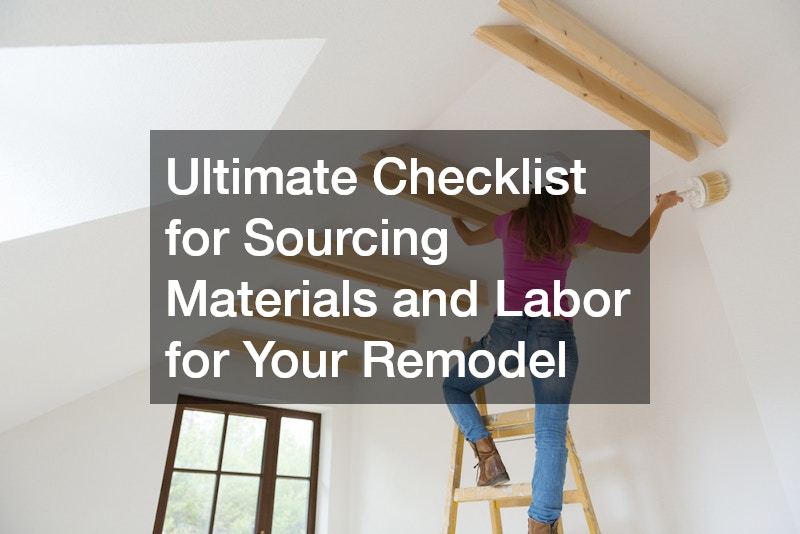
The prospect of remodeling your home brings a unique blend of excitement and anticipation. You imagine stepping into a flawless, modern kitchen, enjoying a pristine exterior that commands curb appeal, or relaxing in an outdoor oasis tailored perfectly to your lifestyle. Yet, between that initial spark of inspiration and the final walkthrough lies a complex maze of logistics, design choices, and human management. Many homeowners mistakenly believe that the success of a remodel depends entirely on what happens during construction. In reality, the fate of your project is decided much earlier, during the sourcing phase.
Failing to properly vet your labor or rushing the material selection process is the fastest route to budget overruns, lengthy delays, and substandard craftsmanship. A beautiful design on paper can quickly devolve into a stressful ordeal if you do not have a strategic framework for acquiring resources. Sourcing is not just about finding the lowest price; it is about securing the precise balance of expertise, material durability, and scheduling compatibility. This ultimate checklist serves as your professional blueprint, guiding you through every critical phase of sourcing materials and labor so you can protect your investment, maintain your sanity, and bring your vision to life exactly as intended.
Phase 1: Heavy Lifting and Structural Prep

Before you can build your dream space, you must safely prepare the existing structure and reinforce its core boundaries. This foundational stage lays the groundwork for everything that follows, meaning any mistakes made here will ripple through the entire timeline of your project.
Clear the Canvas Safely
The first step of any major structural change involves clearing away the old to make room for the new. Homeowners often treat this phase as an opportunity to save money via DIY, but unauthorized or unguided structural alteration can permanently compromise a building.
- Identify Structural Realities: Never assume a wall is non-load-bearing just because it looks thin. A professional assessment must be completed before any demolition begins to determine how the weight is distributed through the property.
- Environmental Testing: Homes built prior to the late 1970s may contain lead-based paint or asbestos insulation. Sourcing qualified demolition services is essential because certified professionals possess the specialized containment equipment and knowledge required to test, handle, and legally dispose of hazardous waste.
- Waste Mitigation: A massive overhaul generates tons of debris. Ensure your budget accounts for heavy-duty dumpster rentals, municipal permits for street placement, and eco-conscious recycling fees for salvageable wood or metal.
Protect Your Investment from the Elements Above
Once interior walls are exposed or altered, your home is vulnerable. You must secure the overhead structure before moving forward with any luxury interior upgrades. Water intrusion during a remodel can ruin thousands of dollars of newly delivered materials in a matter of hours.
- Prioritize the Roof Envelope: Inspect the state of your roof covering, flashing, and decking before touching an interior ceiling. If your roof is approaching the end of its lifespan, it is mathematically more affordable to replace it now rather than patching it later.
- Analyze Material Warranties: When choosing roofing materials, look past the initial aesthetic. Source products that offer wind-resistance ratings tailored to your local climate and look for extended manufacturers’ warranties that cover both materials and labor.
- Source Local Credentialed Labor: Do not cut corners on overhead protection. Hiring licensed residential roofers ensures that your waterproofing system is installed according to the strictest local building codes, preventing catastrophic leaks that could ruin your newly installed drywall and framing down the line.
Phase 2: Mastering the Exterior Envelope
With the structural skeleton stabilized and protected from above, the focus shifts to the vertical exterior walls. The exterior envelope of your home dictates its energy efficiency, defenses against moisture, and visual presence in the neighborhood.
Choose the Right Shield for Your Climate
Sourcing the right materials for your exterior walls requires balancing architectural style with long-term maintenance realities. The material you select must be able to withstand regional weather patterns while maintaining its structural integrity.
- Evaluate Material Lifespans: Fiber cement offers exceptional fire resistance and mimics wood, but it requires specialized cutting tools. Vinyl is budget-friendly and low-maintenance, but it can crack in extreme cold. Engineered wood provides a classic look with enhanced moisture resistance.
- Confirm Vapor Barrier Protocols: The best exterior cladding will still fail if the house wrap underneath is installed poorly. Ensure your labor team understands the concept of a continuous drainage plane, wrapping seams with high-grade construction tape to keep liquid water out while letting interior vapor escape.
- Interview Specialized Installers: To achieve a flawless finish that complies with product warranties, work exclusively with certified siding contractors who possess specific experience with your material of choice. Proper installation prevents warping, buckling, and wind detachment over time.
Achieve a Flawless, Durable Finish
For homes featuring plaster or masonry aesthetics, the sourcing strategy changes significantly. Solid exterior finishes require a delicate touch and precise environmental conditions during application to avoid future failure.
- Verify Multi-Coat Systems: High-quality exterior plastering is not a single-day job. It requires a scratch coat, a brown coat, and a finish coat, with adequate curing time allowed between each layer to build structural density.
- Examine Texturing Capabilities: If you are building an addition onto an existing home, matching old plaster textures to new walls is an art form. Ask prospective crews for physical mockups or photos of previous patch-and-match projects.
- Partner with True Specialists: To avoid premature cracking and water bubbling, look into hiring an experienced stucco company that uses premium fiberglass-reinforced base coats. Their specialized knowledge regarding expansion joints will save you from expensive aesthetic repairs a few years down the road.
Phase 3: Behind-the-Walls Infrastructure

The systems running quietly behind your drywall represent the nervous system and circulatory network of your home. Cutting corners on infrastructure to save money for pretty countertops is one of the most common mistakes a homeowner can make.
Map Out Your Power and Lighting Needs
Modern homes demand far more electrical infrastructure than homes built just a couple of decades ago. Sourcing your electrical labor requires finding someone who views your layout through the lens of future utility.
- Calculate Total Load Requirements: Upgrading a kitchen or adding a home theater often necessitates upgrading your central electrical panel from 100 amps to 200 amps or more. This calculation must be completed before buying decorative light fixtures.
- Plan for Future Technology: Instruct your installation team to run conduit for future electric vehicle charging stations, smart home automation hubs, or dedicated high-voltage lines for modern induction cooktops while the walls are wide open.
- Prioritize Strict Compliance: Electrical fires are a devastating reality of poor craftsmanship. Sourcing a fully licensed electrician guarantees that your outlets, arc-fault circuit interrupters, and panel configurations comply precisely with the latest editions of the National Electrical Code.
Ensure Perfect Flow and Drainage
Plumbing mistakes can remain hidden for months, quietly rotting away subfloors and breeding toxic mold before a visible stain ever appears on a ceiling. Sourcing plumbing labor and materials requires an obsession with detail.
- Optimize Existing Wet Walls: Whenever possible, design your new layout to align with existing vertical plumbing stacks. Moving a toilet or a main drain line across a house requires cutting through floor joists and adds thousands of dollars in labor costs.
- Select Modern Pipe Materials: For clean water supply lines, source cross-linked polyethylene, commonly known as PEX, over traditional copper. PEX is highly resistant to scale buildup, flexible enough to run through walls with fewer joints, and significantly less likely to burst during a freeze.
- Vet for Comprehensive Testing: A top-tier plumbing contractor will always run pressure tests on both supply and drain lines before allowing the drywall crew to close up the walls. Verify that your chosen professional includes these safety checks as a standard line item in their contract.
Phase 4: Interior Finishes and Fit-Outs
Once the infrastructure is signed off by municipal inspectors, the transformation accelerates. This phase shifts your focus to sourcing the highly visible elements that dictate your daily interaction with the home.
Select High-Performance Appliances
Your kitchen appliances are the workhorses of the household. Sourcing these items is a masterclass in logistics, as ordering timelines can easily derail an otherwise perfect remodeling schedule.
- Manage Production Lead Times: High-end or imported appliance suites can carry lead times of several months. Source and purchase these units during the early architectural design phase so that the cabinet manufacturer can build templates around exact product specifications.
- Check Installation Profiles: Ensure your design team understands the physical differences between standard appliances, counter-depth units, and true flush-mount integrated models. A single miscalculated inch can prevent a refrigerator door from swinging open fully against a wall.
- Buy from Certified Distributors: Avoid purchasing major mechanical assets from unverified online liquidators. Instead, spend time researching local appliance stores that feature dedicated showrooms, authorized delivery technicians, and clear, written service warranties for post-installation support.
Leverage Color Psychology and Premium Pigments
Paint is the ultimate design tool, capable of altering the perceived scale, warmth, and brightness of a room. However, sourcing paint involves analyzing chemical compositions, not just staring at color swatches.
- Test Samples in Real-Time Light: Never select a paint color based on how it looks under harsh commercial showroom lighting. Buy small sample cans and paint large patches on multiple walls in your home, observing how the hue shifts from morning sunlight to evening ambient lamplight.
- Match Sheen to Room Function: High-traffic areas like hallways and kitchens require durable, washable sheens like satin or semi-gloss. Ceilings and low-traffic bedrooms benefit from flat or eggshell finishes, which hide minor drywall imperfections.
- Invest in Premium Solids: Low-quality paint contains high percentages of water and solvents, requiring three or four coats to achieve deep coverage. Sourcing your coatings from established Benjamin Moore paint stores provides access to high-solid formulas that deliver rich color payoff, superior scrub resistance, and exceptional coverage in fewer coats.
Phase 5: Managing Mega-Projects and Outdoor Luxuries

As a remodel scales up in complexity, managing individual subcontractors can become a full-time job. Understanding when to consolidate your labor search and how to handle luxury exterior features is vital for completing large-scale transformations.
Oversee the Entire Ecosystem Seamlessly
If your remodel involves stripping multiple rooms down to the studs, reconfiguring floor plans, or adding an entirely new story to your home, acting as your own project manager can quickly become overwhelming.
- Assess Your Available Time: Managing a major project requires being on-site daily to coordinate deliveries, answer subcontractor questions, and solve unforeseen structural surprises. If you work a full-time job, managing this yourself is a recipe for disaster.
- Consolidate Project Accountability: For massive, interconnected overhauls, sourcing comprehensive home remodeling services is the smartest logistical choice. A single, fully insured general contracting company will handle the scheduling, permit pulling, and subcontractor vetting, providing you with a single point of accountability.
- Establish Clear Communication Channels: Ensure that whoever you hire utilizes an online project management portal where change orders, daily logs, and material receipts are tracked transparently in real time.
Design an Outdoor Oasis Correctly
Extending your living space into the backyard is a fantastic way to increase property value and enhance your quality of life. However, major outdoor structural additions involve complex civil engineering and severe municipal oversight.
- Navigate Zoning and Setbacks: Before ordering outdoor amenities, check local zoning laws regarding property line setbacks, easement access, and maximum impermeable surface percentages for your lot.
- Verify Underground Utility Lines: Heavy excavation can turn tragic if an underground gas or electric line is severed. Ensure your team calls utility locating services well before any heavy machinery rolls onto your grass.
- Hire Specialized Outdoor Engineers: Building high-end subterranean water features requires specialized knowledge of soil hydraulics, concrete chemistry, and advanced filtration grids. Partnering with a dedicated luxury pool contractor ensures that your backyard excavation is structurally sound and integrates perfectly with your existing home foundation and landscaping.
The Comprehensive Sourcing Checklist

To keep your sourcing phase organized and stress-free, utilize this quick-reference checklist as you vet your labor and order your materials:
- Labor Vetting:
- Verify active state licenses and specialized certifications for all trades.
- Request proof of comprehensive general liability and workers’ compensation insurance.
- Check at least three references from projects completed within the last twelve months.
- Insist on a detailed, written contract outlining payment milestones and a clear scope of work.
- Material Sourcing:
- Confirm manufacturer lead times and match them against the construction schedule.
- Verify that materials meet local building codes (e.g., impact ratings, energy efficiency metrics).
- Order a 10% to 15% buffer for tiles, flooring, and siding to account for cutting waste and future repairs.
- Review return policies and restocking fees for any leftover, unused materials.
Conclusion
Navigating a home remodel is a journey that requires equal parts vision, patience, and meticulous organization. By treating the sourcing phase as the actual foundation of your project, you eliminate the guesswork that so often derails ambitious designs. Rushing out to hire the cheapest available crew or purchasing materials without verifying lead times, warranties, and structural compatibility will inevitably lead to frustration. Taking the time to systematically vet your labor, analyze your material choices, and plan for structural and infrastructural realities ensures that your construction phase proceeds smoothly and predictably. Use this ultimate checklist to take complete control of your project, align your expectations with reality, and transform your current house into a beautifully crafted, structurally sound home that your family will cherish for decades to come.