
When it comes to protecting your home, choosing the right residential roofing companies can make a significant difference in the quality, longevity, and performance of your roof. Whether you need roof repairs, replacements, or a complete roofing service, asking the right questions before hiring a professional can help you better understand your options. This is especially important for homeowners with turn of century homes, as older properties often have unique architectural details, aging materials, and structural considerations that require careful attention.
A qualified roofer should be able to explain their experience, materials, process, and approach to maintaining your home’s character while improving its protection. While many roofing companies offer similar services, their expertise, communication, and attention to detail can vary. Asking thoughtful questions allows you to compare roofing contractors and determine which professional is the right fit for your specific needs.
From understanding licensing requirements to learning about warranties and project timelines, these conversations provide valuable insight before work begins. Whether you own one of the many historic turn of century homes in your area or a more modern property, selecting experienced roofers can help you feel confident about your investment. Taking time to gather information upfront can create a smoother experience and help support lasting results.
1. What Experience Do You Have As A Roofer?

When selecting a professional for your roofing project, experience should be one of the first topics you discuss. A roofer with a strong background in the industry may have encountered a wide range of roofing systems, challenges, and property styles. This experience can be especially valuable when working on turn of century homes, where original construction methods and older designs may require additional knowledge.
Homeowners should ask about how long a roofing contractor has been serving customers and what types of projects they typically complete. Experience does not only refer to the number of years a company has operated but also the variety of work they have performed. A contractor who understands different materials, architectural styles, and repair needs may be better prepared to handle unexpected situations.
Consider Years In Business
Understanding how long your roofing contractor has been in business can provide helpful context about their background and approach to customer service. Established professionals often have years of hands-on experience addressing different roofing concerns, from minor maintenance needs to larger replacement projects. However, longevity should be considered alongside other factors, including communication, workmanship, and the ability to meet your expectations.
For homeowners with turn of century homes, finding a contractor familiar with older properties can be especially beneficial. These homes may feature unique rooflines, historic materials, or design elements that require thoughtful solutions. Asking about previous experience with similar properties can help determine whether the contractor understands the specific needs of your home.
Review Previous Projects
Looking at previous projects performed by residential roofing companies can help you better understand the quality and style of a company’s roofing service. A contractor’s past work may reveal their attention to detail, ability to handle different materials, and experience with projects similar to yours. Reviewing examples can also help you determine whether their approach matches the appearance and functionality you want for your home.
This question is particularly useful when discussing turn of century homes because preserving the appearance of an older property can require a careful balance between modernization and maintaining original character. A contractor who has completed projects involving historic or traditional homes may understand how to improve protection without compromising visual appeal.
2. Are You Licensed And Insured?
Before hiring any professional, it is important to ask about licensing and insurance. These details can help you understand whether a company follows industry requirements and takes appropriate precautions while completing roofing work. A qualified roofing contractor should be prepared to discuss their credentials and explain the protections they have in place.
Licensing requirements can vary depending on location, so homeowners should understand what applies in their area. Working with properly prepared professionals can help ensure that the project follows applicable standards. Insurance is equally important because roofing projects involve physical work, equipment, and potential risks.
Confirm Licensing Details
Confirming that your roofing companies are licensed can help ensure they are operating according to local regulations and requirements. Licensing may involve meeting certain standards related to training, business practices, or industry knowledge. While licensing alone does not determine the quality of every project, it is an important factor to consider when comparing available professionals.
For owners of turn of century homes, hiring a contractor who understands local building expectations can be especially valuable. Older homes may require additional planning because updates often need to work within the existing structure. A properly prepared roofer should be able to explain how they approach these considerations while completing necessary work.
Understand Insurance Coverage
Insurance coverage is another important question to ask before starting a roofing project. A roofing contractor should carry appropriate insurance to help address potential accidents or property concerns that may occur during the work. Understanding what coverage is available can help homeowners avoid unexpected complications.
Roofing projects can involve ladders, tools, materials, and elevated work areas, making proper preparation essential. Responsible roofing contractors should be able to explain their insurance coverage and answer questions about how they protect both their team and the homeowner’s property.
3. What Type Of Roofing Materials Do You Use?
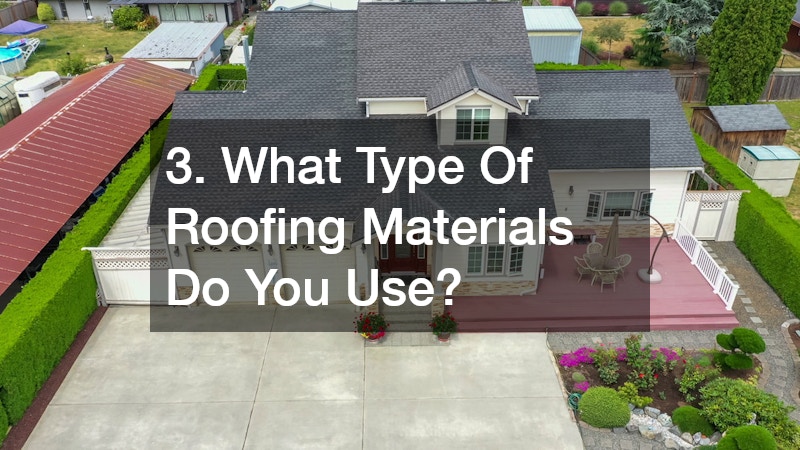
The materials selected for a roof can influence its appearance, performance, and expected lifespan. Asking about available options helps homeowners understand what choices are available and why certain materials may be recommended. A knowledgeable roofer should be able to explain the advantages of different roofing systems and how they fit your home’s needs.
Material selection can be particularly important for turn of century homes because homeowners often want to preserve historic charm while improving durability. The right materials can complement the architectural style of an older property while providing updated protection against weather conditions.
Explore Material Choices
Ask your contractor about the types of materials they install and whether they have experience with the specific roofing style you are considering. Options may include traditional materials, modern alternatives, and specialty products designed for certain architectural needs. A metal roof supplier, for example, may provide materials that offer a distinctive appearance and long-term performance for certain applications.
For homeowners with turn of century homes, material choices can affect both curb appeal and preservation goals. Some homeowners prefer options that maintain a traditional look, while others prioritize modern durability and efficiency. Discussing these preferences with roofers can help identify solutions that align with your goals.
Evaluate Material Quality
The quality of roofing materials plays a major role in the overall performance of your roof. While appearance matters, homeowners should also consider durability, maintenance needs, and how well materials are suited to their property. Asking about material quality helps you understand what you are investing in.
A knowledgeable roofing service provider should be able to explain product features and how materials are expected to perform over time. This information is particularly helpful for turn of century homes, where selecting compatible materials can be an important part of maintaining the property.
4. Can You Provide References?

Before selecting a roofing contractor, asking for references can provide valuable insight into the experiences of previous customers. Speaking with past clients or reviewing examples of completed work can help you better understand how a company approaches communication, scheduling, workmanship, and overall service. References allow homeowners to learn more about what they can expect before committing to a project.
This step can be especially useful when hiring for properties with unique characteristics, such as turn of century homes. These older properties often require careful planning and attention to detail, making it helpful to know whether a contractor has successfully completed similar projects. Hearing about other homeowners’ experiences can help you evaluate whether a company is prepared to handle your specific needs.
Review Customer Testimonials
Customer testimonials can reveal important details about a company’s approach to roofing projects. Reviews from previous clients may highlight areas such as communication, organization, responsiveness, and the quality of completed work. While every project is different, these experiences can provide a better understanding of how a roofer interacts with homeowners throughout the process.
When reviewing testimonials, consider feedback from customers with projects similar to yours. Homeowners with turn of century homes may benefit from looking for examples involving older properties, detailed restoration work, or specialized roofing needs. This can help determine whether a contractor understands the challenges that may come with preserving and updating historic features.
Examine Work Portfolios
A portfolio of completed projects can provide a visual representation of a company’s capabilities. Reviewing photos of previous installations, repairs, and replacements can help you see the quality of their craftsmanship and the types of roofing systems they commonly handle. This is especially helpful when you have specific design preferences or architectural considerations.
For owners of turn of century homes, a portfolio may demonstrate whether a contractor has experience maintaining the character of older properties. These homes often feature distinct details that require thoughtful planning, and previous examples can show how a company balances modern improvements with traditional aesthetics.
5. What Is Your Warranty Policy?
Understanding warranty coverage is an important part of selecting a roofing contractor. A warranty can outline what protections are available for materials and workmanship after a project is completed. Asking detailed questions about warranty terms helps homeowners understand what support may be available if issues develop in the future.
Roofing systems represent a significant investment, and warranties can provide additional confidence when making decisions. However, warranty details can vary between roofing companies, so it is important to understand exactly what is included. Roofers should be able to explain the coverage, limitations, and responsibilities associated with the warranty.
Understand Warranty Types
Different warranties may cover different parts of a roofing project. Some warranties focus on the materials themselves, while others address workmanship performed by the contractor. Asking about both types can help you understand the full scope of protection available.
A roofing service provider should explain which warranties apply to your project and what situations they cover. This information allows homeowners to better understand the value of their investment and what steps may be needed if roof repairs become necessary.
Learn Warranty Lengths
The duration of a warranty can influence how homeowners view the long-term value of their roofing project. Different materials and installation approaches may come with different coverage periods, making it important to ask how long protections remain active.
Understanding warranty lengths can help you compare recommendations from various roofing contractors. A longer warranty does not automatically mean one option is better, but it can be a useful factor when reviewing your choices.
6. How Do You Handle Cleanup And Disposal?

Roofing projects often involve removing old materials, preparing surfaces, and managing debris. Asking a contractor how they handle cleanup and disposal can help you understand what to expect once the work begins. A complete roofing service should include a clear plan for maintaining an organized work area throughout the project.
Cleanup is an important part of the overall customer experience. Homeowners should know whether debris removal, material disposal, and final site preparation are included in the project plan. Discussing these details beforehand can help prevent confusion after the work is completed.
Ask About Cleanup Procedures
Understanding how the roofing contractor manages cleanup can help you prepare for the construction process. Ask whether debris is removed regularly, how materials are organized during the project, and what steps are taken once the work is complete.
A professional team should have procedures in place to keep the work area manageable and minimize disruption. This can be especially important for homeowners who are maintaining older properties where landscaping, exterior details, or architectural features may need additional consideration.
Discuss Old Material Disposal
The disposal of old roofing materials is another topic worth discussing before work begins. Ask how removed materials will be collected, transported, and handled after the project. This information can help you understand the complete process and what responsibilities belong to the contractor.
For homeowners with turn of century homes, disposal may involve older materials that require additional care. A knowledgeable contractor should be prepared to explain how they handle removed materials while protecting the property and surrounding areas.
7. What Is The Estimated Timeline For The Project?
Understanding the expected timeline for a roofing project can help homeowners plan accordingly. Every project is different, and the schedule may depend on factors such as the size of the roof, selected materials, weather conditions, and the complexity of the work involved.
A local roofing contractor should be able to provide a general timeline and explain what happens during each stage. Clear communication about scheduling helps homeowners understand when work will begin, how long it may take, and what factors could affect completion.
Identify Project Phases
Ask local roofing contractors to explain the different phases of the project. Understanding the process from preparation to completion can help you know what will happen throughout the work. This may include removing existing materials, installing new roofing components, completing repairs, and performing final inspections.
A detailed timeline can help homeowners coordinate around the project and understand when certain activities will take place. This is especially useful when working on turn of century homes where careful attention may be needed during each stage.
Consider Timeline Factors
Several factors can influence how long a roofing project takes. Weather conditions, material availability, unexpected repairs, and the complexity of the structure can all affect scheduling. Asking about possible delays allows homeowners to better prepare for changes.
Older properties, including turn of century homes, may sometimes present unexpected challenges due to their age and construction style. A contractor who communicates openly about potential obstacles can help homeowners understand why adjustments may be necessary.